founders
Key Takeaways
- Founders carry a unique psychological weight: they have convinced others to follow a vision, invested their identity in its success, and are accountable for outcomes they cannot fully control.
- The founder's experience is defined as much by loneliness, self-doubt, and relational strain as by the operational challenges of building a company. These internal realities are rarely discussed but universally felt.
- The cofounder relationship is one of the most consequential dynamics in a startup. When it works, it provides resilience. When it breaks, it can take the company with it.
- The founders who build lasting companies are not the ones who push the hardest. They are the ones who learn to sustain themselves, evolve their leadership, and ask for help before they need it.
What is it really like to be a founder?
The popular image of a founder is someone with a bold vision, relentless energy, and an appetite for risk. The lived reality is more complicated. Being a founder means waking up with a weight that most people in your life do not understand. It means making consequential decisions with incomplete information, managing relationships where the personal and professional are deeply intertwined, and carrying a sense of responsibility that does not shut off at the end of the day.
The weightiness every leader knows is not a sign of weakness. It is a predictable consequence of operating in conditions of extreme uncertainty and personal exposure. Understanding this is the first step toward leading sustainably.
The relationships and challenges that define the founder journey
The cofounder relationship sits at the center of most startup stories. Building healthy cofounder relationships requires intentional investment, honest communication, and the willingness to address tension before it compounds. When a cofounder is no longer in the right role, navigating that conversation with empathy and clarity is one of the hardest things a founder will do.
Beyond cofounders, founders often lose touch with their creative energy over time. Getting your creativity back as an entrepreneur is not a luxury. It is a signal that the founder is reconnecting with the part of themselves that started the company in the first place.
If you are carrying the weight of the founder journey and want structured support, working with a CEO coach can help you lead with more clarity and less isolation.
Frequently Asked Questions About the Founder Experience
Why is being a founder so lonely?
The founder role is structurally isolating. There are things you cannot share with your team, your investors, or sometimes your partner. The higher the stakes, the fewer people you can be honest with.
Without intentional effort to build peer connections, the isolation deepens over time and compounds every other challenge.
What makes the cofounder relationship so difficult?
It combines the intensity of a close partnership with high-stakes business decisions, shared financial exposure, and no clear hierarchy. Disagreements carry disproportionate emotional weight because the founder's identity is tied to the company.
Without proactive communication and clear role definition, friction accumulates quickly.
How do founders stay motivated over many years?
The founders who sustain motivation tend to maintain a personal vision separate from company metrics, build relationships with peers who understand the experience, reconnect regularly with the problem they are solving, and invest in their own growth and wellbeing alongside the business.
Can you be a good founder and a present parent or partner?
Yes, but it requires deliberate choices. It means setting firm boundaries around family time, communicating openly with loved ones about the demands of the role, and accepting that presence matters more than perfection.
The founders who manage both tend to treat relationships as non-negotiable infrastructure, not something to address once the company is stable.
When should a founder get a coach?
Before they feel they need one. The most effective coaching relationships are built proactively, not in crisis.
A coach helps founders develop self-awareness, navigate difficult conversations, and maintain clarity during the most demanding periods of leadership.
Articles
What do I do when my co-founder is not in the right role?
What I’ve seen (and lived) when a co-founder no longer fits their seat—and how to move forward with empathy and clarity

How to build healthy, helpful co-founder relationships (and recover when things go wrong).
Co-founder relationships can be a rich source of support and resiliency. If yours is not, you are not alone!

The Weightiness Every Leader Knows
You aren't alone. One of the defining experiences of being a startup founder was the heaviness I carried at every waking hour. And I see and hear it in every other founder I speak with.

How to Get Your Creativity Back as an Entrepreneur ?
A few months ago, I was walking into my office and felt overwhelmed with a sense of anxiety and dread. A realization hit me. The building that was supposed to be my ‘place’ for creative work had become anything but. 7 years in, I’d lost the creative spark of my work entirely. And I wanted it back.
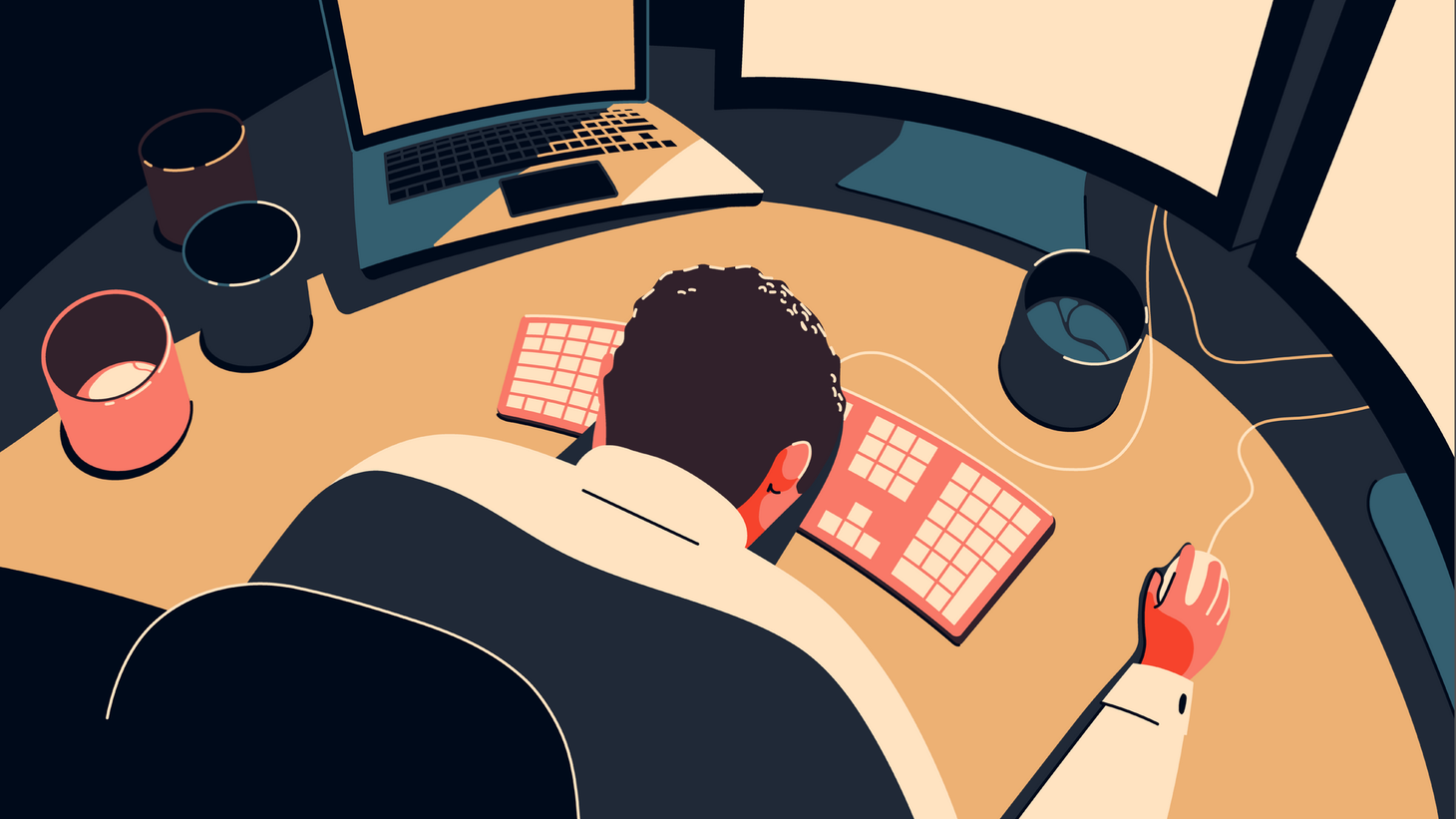
Should I Start Another Business After Selling One? Why I Might Not
As I’ve begun to look into the abyss of what might be next, I am realizing there is no way to find my way to a real answer of the work that is mine to do without casting off this identity and these assumptions.