founder psychology
Founder psychology is rarely discussed openly, but it shapes every decision you make. The imposter syndrome. The burnout. The anxiety. The profound loneliness of being the one who carries the weight. These psychological challenges aren't signs you're broken. They're predictable responses to extreme uncertainty and high stakes. Understanding your founder psychology isn't self-indulgent, it's strategic. Your inner game directly impacts your leadership and company. You are not alone in this.
The myth of the impervious leader
Those founders you read about in the press and idolize? Yep, they are up at 3 AM too.

The power of negative visualizations
A simple addition to your morning routine to help fight founder-burnout and improve resiliency

Poker Psychology: What Entrepreneurs Can Learn from Professional Players
Professional poker players master decision-making under uncertainty, emotional control, and detachment from outcomes. Here's how entrepreneurs can apply poker psychology to build better businesses.

Emotional Intelligence for Leaders: Why You Must Own Your Sense of Worth
To avoid burnout and scale as leaders, we must take back the judgment of our own worth

You are not talented enough to work 80 hours a week. And that's ok.
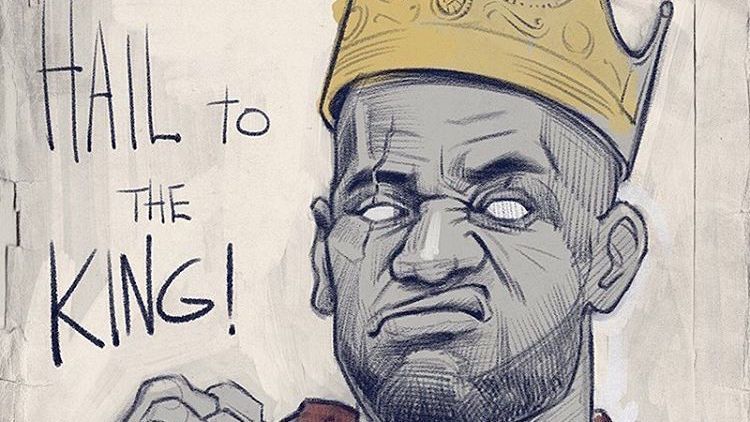
If Lebron is this serious about rest, maybe you should be too?
Why is it so hard to be happy?
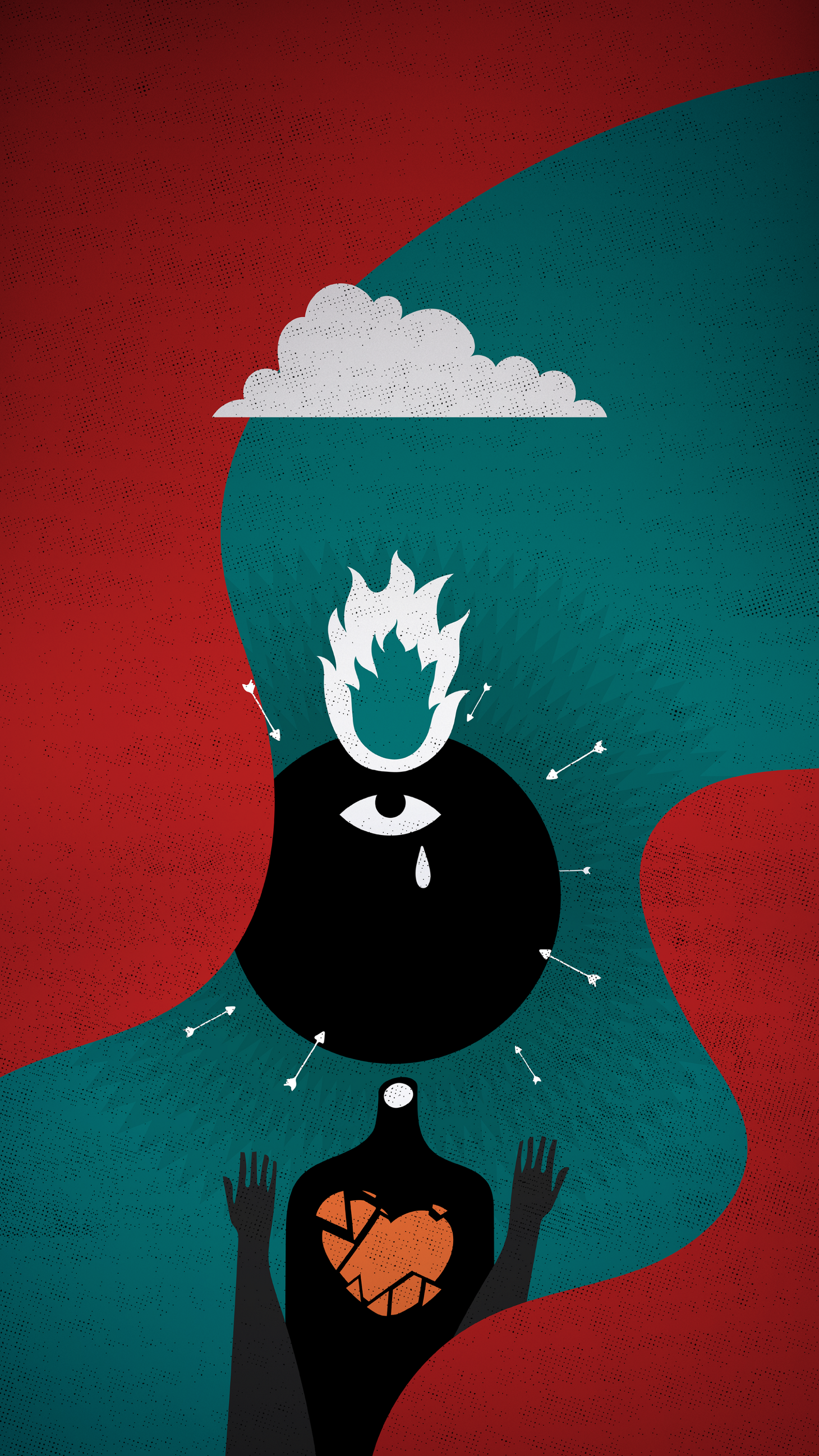
My own complicated relationship with happiness.
How to Stop Comparing Yourself to Others (Without Hating Yourself)
Struck with self-loathing every time you hear of someone else's success? You are not alone.

How to make friends as a founder
Founder burnout, depression, and loneliness are rampant. Too many founders struggle in isolation. Let's bring that to an end.

How to Overcome Imposter Syndrome and Lead with Confidence
Imposter syndrome affects 70% of successful people. Here's how to overcome self-doubt, embrace your strengths, and lead with authentic confidence.

New Sanity Pod Episode - Inc’s Lindsay Blakely
Lindsay has spoken with hundreds of founders over her years as a reporter and is in a unique position to help us normalize parts of the founder experience that can be hard to see clearly in our own heads.