Why Many Founders Keep Bending (And How to Stand Up Straight)
Many founders learned early that staying safe meant bending to everyone else’s needs. Here’s why standing up straight changes everything.
Looking for some support? If now is the time to consider coaching, reach out here.
In a recent session with a client navigating burnout, he shared:
...describing his partner:
“I find myself bending to whatever she needs."
...describing his relationship with his business:
“I find myself bending to whatever the company needs."
...describing the dynamic in his childhood home:
“I learned to bend myself to whatever the emotional tenor of the room needed."
Listening, I could feel the empathy welling in my chest.
As often happens in the synchronicity of the coaching room, many of the themes running through his story also run through my own. And through many other founders I meet.
Many of us who are drawn to create, build, and lead first learned how to create structure and safety in our childhood homes.
Often, though certainly not always, we have practice leading others because we were promoted early in life into being the ones who kept others safe. We made lunches for younger siblings because Mom wasn’t around. We held the emotional tenor of the room because Dad was high.
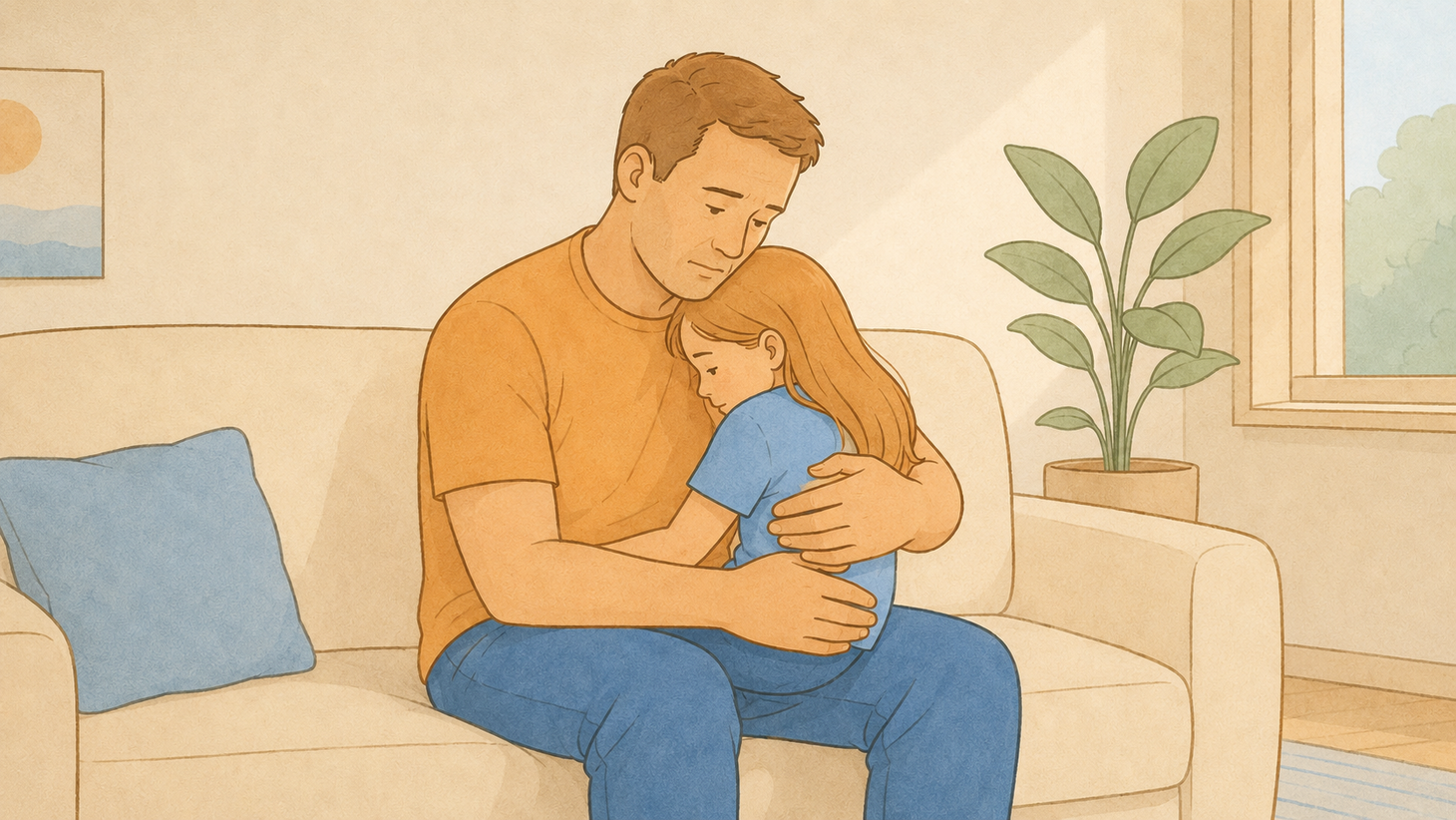
This particular client described his father’s absence. And the way he learned to contort himself to meet his mother’s loneliness.
As we moved through the conversation, it became clear that his whole life had been spent bending.
And I couldn’t help but wonder:
What might happen if this courageous man in front of me stood up straight?
This question has been deeply resonant in my own life this past year.
At 46, I find myself in a season that is asking me to stand up straighter than ever before.
If you had asked me a few years ago, I might have told you most of my self-work was behind me.
How innocently arrogant.
One of the most difficult revelations of this past year has been discovering how much I have continued to orient my life, and my sense of self, around other people.
In my childhood home, that served me well. It helped me stay safe when the room felt dangerous. It helped me stay close to my mom and sister. Perhaps it even helped bring some stability to them when my dad felt unpredictable.
As a leader, it helped me become deeply attuned to those I led.
As a coach, it helps me to step into my clients’ experience in ways that often profoundly reduce their sense of loneliness.
But my life and my work are asking more of me now.
They are asking me to stand up straight.
As I understand it today, standing up straight means coming into a clear and compassionate awareness of myself first. Knowing who I am. Becoming curious about what I need. Listening most closely to my own inner voice. Seeking my own approval before anyone else’s.
None of this is about abandoning the people I love or lead.
It is a change in orientation.
A shift in gravity.
Ironically, I think it may make us even more capable of loving others well.
When I know who I am and where I stand, other people can feel it.
When I am rested, resourced, grounded, and clear, I have far greater capacity to offer presence and care to the people around me.
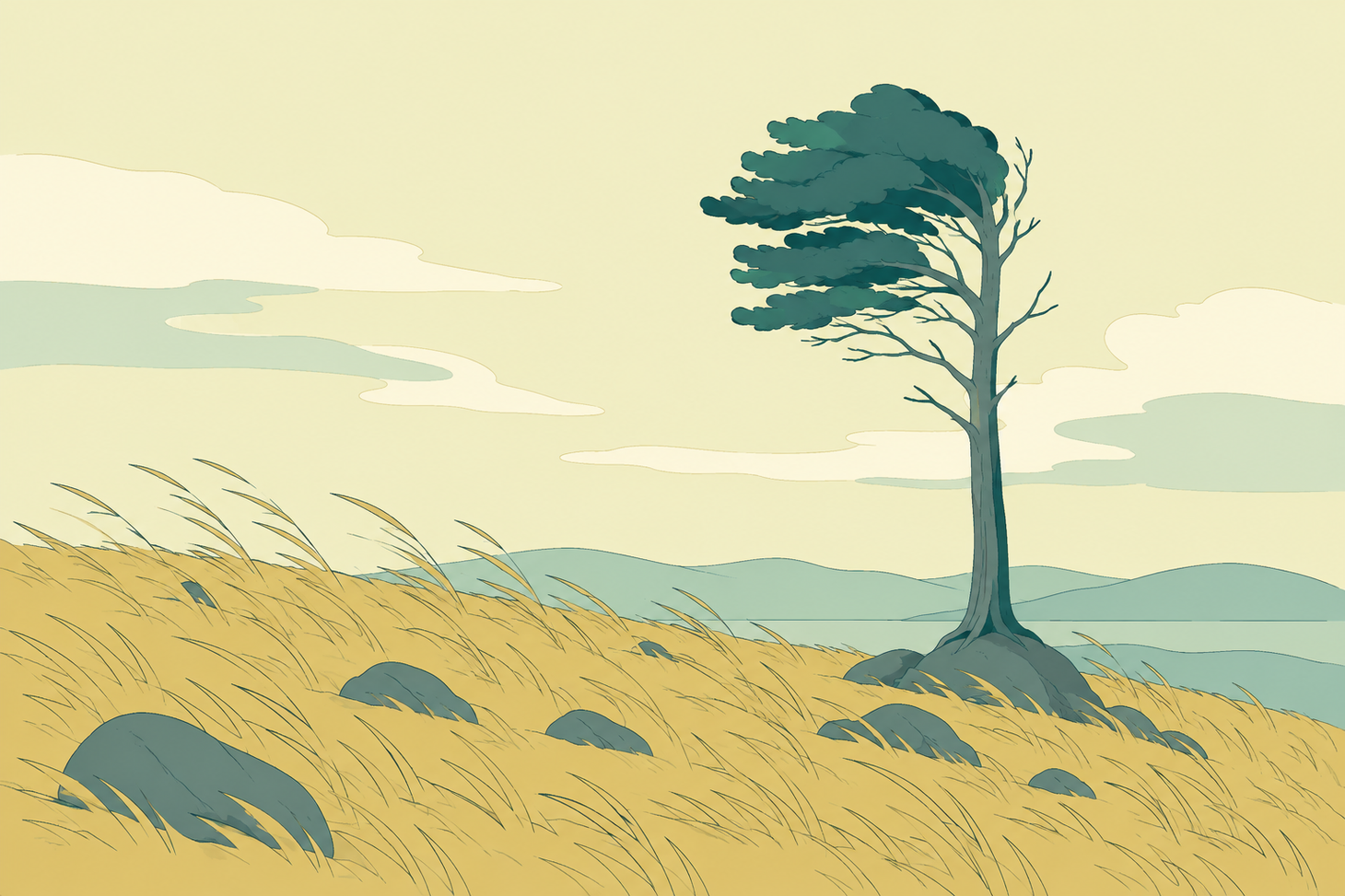
People naturally orient toward those who stand up straight, much as a forest seems to organize itself around its deepest-rooted trees.
And when we stand that way, we quietly invite others into a choice.
Can they also stand up straight?
Is there genuine alignment in our values, our vision, and the way we want to move through the world?
This came to mind in another recent session with a gifted founder raising a competitive Series A.
“How do I make sure I don’t fill my board with people who turn out to be assholes?” she asked.
As we explored the question together, we arrived somewhere unexpected.
The more clearly she stands up straight, and the more fully she communicates who she is and what this company stands for, the easier it becomes to attract investors who are aligned and repel those who are not.
For those of us who learned early that staying safe meant bending ourselves around everyone else, standing up straight does not feel natural.
It feels risky.
Sometimes it even feels life-threatening.
It is not an overnight decision.
It is, I am learning, a lifelong journey back toward ourselves. Learning to accept ourselves. Care for ourselves. Trust ourselves. And slowly stop abandoning ourselves in order to care for everyone else’s needs first.
For those of us who want to live and lead from a place of wholeness and deep integrity, I don’t know another way.
If you find yourself feeling bent over today, or perhaps nearly broken, you are not alone.
And you do not have to walk that journey alone.
If I can be of assistance in any way, please reach out.
Sending a huge hug from my desk in Los Angeles.
—Matt
I appreciate that you are here. If you’d like to get these posts in your inbox, you can subscribe here.
Looking for some support? If now is the time to consider coaching, reach out here.

Sanity Notes Newsletter
Join the newsletter to receive semi-weekly updates in your inbox.

)