The biggest mistake founders make in designing their lives
Work-life balance for entrepreneurs can get you eye-rolled out of a room full of founders. The startup world rarely rewards it. Hustle culture treats it as weakness, and many people measure their commitment by how little sleep they got last night.
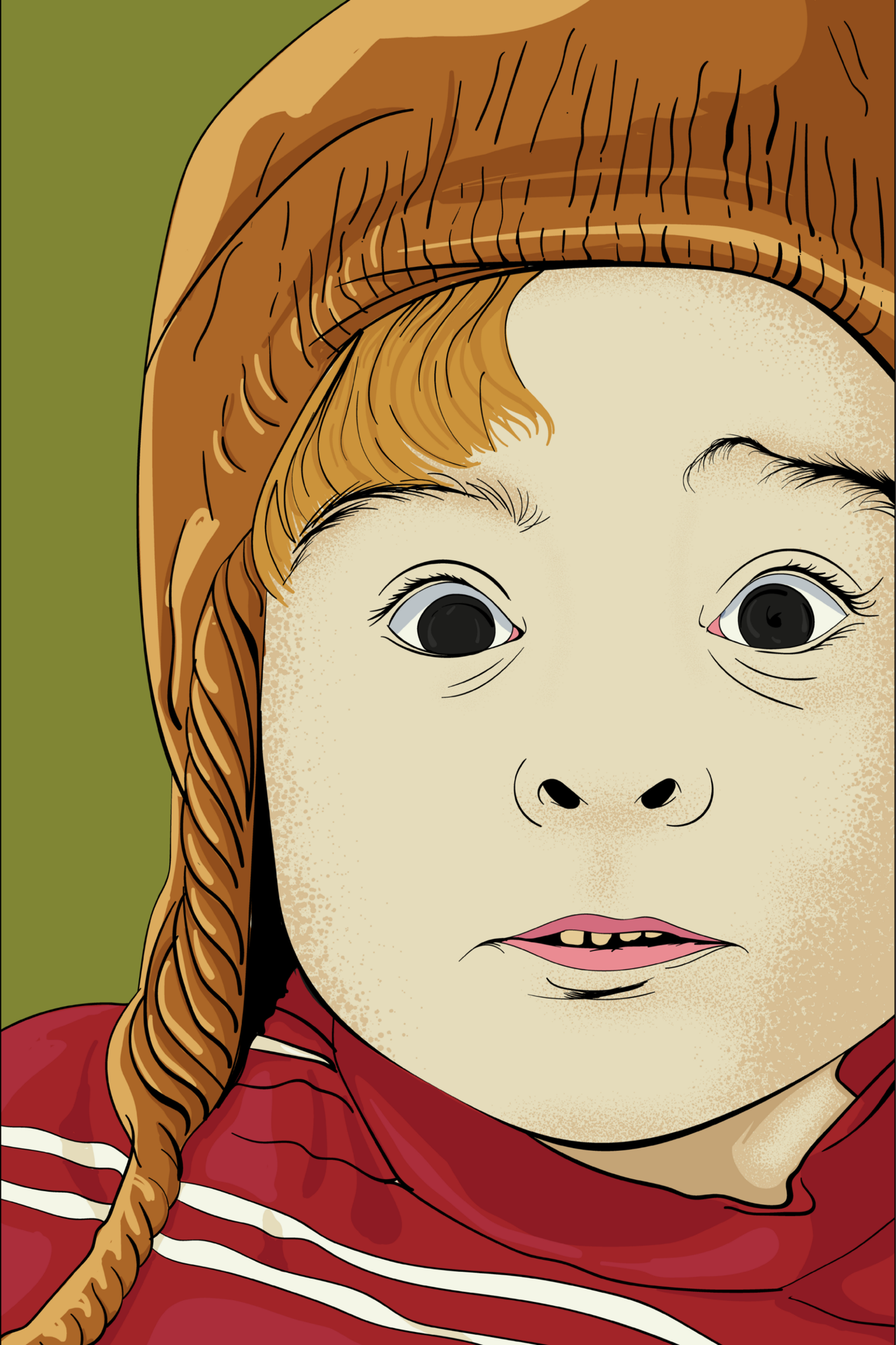
Work-life balance for entrepreneurs is one of those phrases that can get you eye-rolled out of a room full of founders. The startup world does not reward it. Hustle culture treats it as weakness. And most of the people around you are quietly measuring their commitment by how little sleep they got last night.
But my own miscalculation of this one element is my greatest regret looking back on my time as a founder and CEO. Not the product decisions I got wrong. Not the hires. This.
Life on Hold: The Founder's False Bargain
I have been thinking a lot lately about the idea of living life on hold. That is how I would describe the way I lived for most of my years as a founder and CEO. I hear it in conversations with many of the CEOs I meet: they are putting in the years now so that life will be different in the future. And when life is finally different, when they have more [money, accomplishment, impact, choices, etc.] then they will be ready to really live.
This is a dangerous and painful setup. It is also bad for business.
I do not have anything against the idea of “working hard now so I can relax later.” Or even putting in more long hours now so that I can provide a more stable life for myself and my family on the other side. Those tradeoffs, carefully contemplated, can be of great benefit. I am talking here about the wholesale abandonment of a full life, and self-care, for years on end, in the hopes of some payoff that will make it all worth it.
In my own life, I can recall easily the years when I felt I was making that wager. And, in hindsight, I can more easily see the costs I bore and how ill-conceived the tradeoffs were.
In my early years as a founder, I missed time with friends, travel, weddings, and the enjoyment of many of my favorite hobbies. I thought my relentless focus on my startup would increase my odds of success.
Some of those long hours may have been necessary; I believe most were not. Most of it was wasted time.
Because I did not really know what to focus on, or whether we were succeeding or failing, overworking myself was my way to ease my anxiety. I wish I had turned to healthier and more connecting ways.
But that was not the biggest mistake I made.
My Biggest Mistake (and Why Overworking Is Rarely the Answer)
The biggest mistake I made was believing that I could focus on changing this one element of my life, success and wealth, and that everything else would remain constant.
I hear this erroneous thinking in conversations with many of the young founders I meet.
We picture our future selves: our companies are successful, our bank accounts padded, and our names on some “Forbes Under X’ list. And in those visions, we tend to hold all the other elements of our life static. We picture ourselves young. We picture our parents alive. We picture living in connection with the same friends we now have or our primary romantic relationships being at a similar stage or state of connection as they now are.
The truth is everything changes.
Everything Changes While You Are Waiting
Yes, my life is better now than it was 8 years ago. My bank account is padded. I live in my dream home by the beach. I do work I deeply love with no stress of making a rent payment. None of those things were true 8 years ago.
But everything else has changed too.
My son is not a baby anymore. Those years are gone. He will be a teenager soon and out of the house faster than I dare to believe.
My wife and I are not new lovers. The crazy excitement of those earliest years has given way to family life and the many joys and difficulties that carries.
My friends, many of whom were congregated in California at the time all starting companies, have scattered the country as a result of job changes, marriages, housing costs, etc.
Both my father and stepfather passed away during those years. 8 years ago they were here; now they are not. My mother turned 70 this year. 8 years ago, it seemed she would be young forever. Celebrating her 70th birthday this year, it no longer feels that way.
Life is beautiful now, and by many accounts better, but it is also different. And many of the best parts of life 8 years ago are no longer here.
My regret, looking back, is how often I missed appreciating those things while they were here. I was so busy building a company that I too often failed to really experience the day. I believe that was a largely unnecessary tradeoff.
How I Stopped Living with My Life on Hold
I resolved about 4 years ago, prior to selling my last business, to stop living with my life on hold. During a 10-day quest in the Montana wilderness, I came to the revelation that I already had everything I needed in my life. No, I was not wealthy, I had not sold my business, and I did not love my job. But I had a full life that I wanted to be fully experiencing.
I also came to the revelation that living my life half-alive was harming my work as a CEO not helping it. And that was a sobering realization. I was making these tradeoffs for nothing.
For those of you CEOs reading this thinking it must be nice to talk about a balanced life from the other side, post-exit, trust me. I get it. I would have thought the same thing. If I had read this post 8 years ago I may have told the author in the comments to go fuck himself.
You of course are more than welcome to do the same.
But I have had the privilege, as a coach, to examine alongside some of the best CEOs of this generation, the tradeoffs they are making in their own lives. I have come to see, again and again, that connecting to one’s life, even while in demanding a role as CEO, is of great benefit to both the human and the work. The idea that you must miss being present with the parts of your life you value most in order to succeed in your role is a false bargain.
How to Design Your Life as a Founder Without Sacrificing Your Company
The CEO role, well-understood, is about perspective, roundedness, and connection. Those are impossible things to have living in isolation. And they are impossible things to have when you never leave your office or close your laptop. Hustle culture is toxic precisely because it mistakes depletion for dedication. The most present and connected CEOs I know are also among the most effective.
The most successful CEOs I witness work with intensity and purpose but also deeply experience their lives. They do not make the same mistake I made in those early years. And you do not have to either.
If you want to go deeper on how to think about your life design as a founder, the piece on life design mistakes founders make is worth reading alongside this one.
Remember, even if you do might wake up in five or 10 years with a few more zeroes behind your bank account balance: everything around you will have also changed. Considering that:
The Questions Worth Sitting With Today
Before you close this tab and go back to your inbox, I want to leave you with four questions. Not as a productivity exercise. As an invitation to actually think.
- Who do you most want to be in connection with today, not waiting for later?
- Who do you want to remind that you love them, right now, not after the next funding round?
- How do you want to celebrate and enjoy this stage of your life, this age, this body, this version of your mind?
- How do you want to embrace the community that is around you today, before they scatter or change?
I know it is a tremendous burden to lead a company. The task list feels never-ending. The list of people depending on you is long and only getting longer. And most of the people around you are likely whispering in your ear how great it is that you are working so hard.
Most of them do not get it. They have never been in your chair. Most of them never will be.
Make the decisions that work for you. Live the way that allows you to look back with gratitude instead of regret. Support yourself and those you love.
And if you are navigating founder burnout or the feeling that you have been living half-alive for too long, you might find it helpful to read about how to navigate founder burnout.
Wishing you peace on your journey today.
-Matt
If I can support you in designing a life and a company you are proud of, reach out here.
Frequently Asked Questions
What does work-life balance for entrepreneurs actually look like?
Work-life balance for entrepreneurs does not mean working 40-hour weeks or stepping back from your ambitions. It means designing your working life so that you are not systematically missing everything else. In practice, this looks like protecting time with the people you love, maintaining your physical and mental health as a non-negotiable, and building a relationship with your work that is energizing rather than purely depleting. The founders who do this well tend to be more effective CEOs, not less, because they are bringing their full selves to the decisions that matter most.
Why is hustle culture toxic for founders?
Hustle culture is toxic for founders because it mistakes volume of work for quality of leadership. The CEO role is fundamentally about judgment, perspective, and connection. All three of those degrade sharply under chronic sleep deprivation, isolation, and anxiety. Founders who glorify overwork often end up making worse decisions, losing their best people, and arriving at an exit or a failure with a trail of personal losses they can never recover. The sacrifice is real. The payoff is far less guaranteed than startup mythology suggests.
How do you stop overworking as a startup founder?
The first step is recognizing what the overwork is actually doing. For most founders, overworking is not a productivity strategy. It is an anxiety-management strategy. The endless hours provide a sense of control in a situation that is inherently uncertain. Addressing the anxiety directly—through coaching, therapy, peer community, or meditation—tends to reduce the compulsive overwork more effectively than simply trying to work fewer hours. Structurally, blocking time for non-work commitments before your calendar fills with meetings is also a proven tactic.
How to be a better CEO by improving work-life integration?
The best CEOs I have worked with are not the ones who sacrificed the most. They are the ones who learned to work with intensity and purpose while also deeply experiencing their lives. Being present with your family, maintaining friendships, exercising regularly, and getting adequate sleep are not distractions from your CEO role. They are inputs into it. A more rested, more connected, more grounded founder makes better decisions, communicates more clearly, and retains the kind of long-term perspective that early-stage urgency tends to destroy.

Sanity Notes Newsletter
Join the newsletter to receive semi-weekly updates in your inbox.