The Steep Bill of Self-Denial
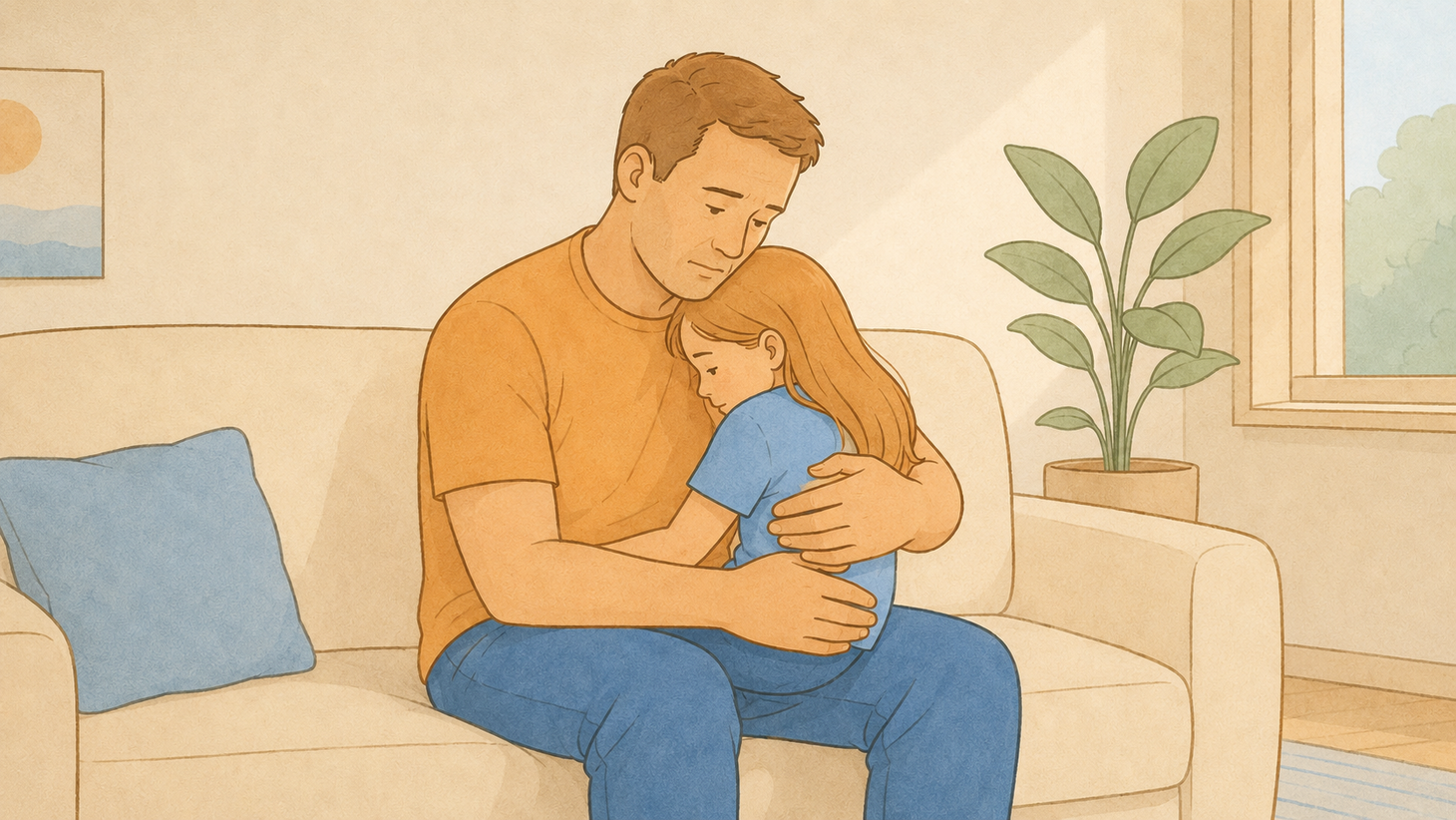
Many of us learned early to care for others by abandoning ourselves. On learning that choosing my own well-being is not a betrayal.

Looking for some support? If now is the time to consider coaching, reach out here.
I grew up in a household with a lot of love, playfulness, and laughter.
There was also addiction, betrayal, and pain.
Like many children who grow up with addiction present, I learned early that staying safe required me to pay close attention. I became hypervigilant to the situation in the room, especially to what was going on with Dad.
I also learned how to bring humor, love, and warmth into almost any situation, even the most challenging ones. I used those gifts to keep people together. To take care of my mom and my sister. To make an unbearable situation a little more bearable.
Some of what I learned has served me extraordinarily well. During difficult seasons as a leader, I knew how to keep a team positive, laughing, and connected. I knew how to read a room, anticipate what people needed, and help a group stay together through uncertainty.
But I learned other patterns, too. Patterns that have caused me a great deal of pain in my adult life.
I learned to routinely ignore my own needs and hopes.
In spite of all the therapy and self-work I’ve done over the years, I’ve been waking up to how much learning and pattern-breaking I still have ahead of me. I am still most comfortable when I am taking care of someone else, monitoring someone else’s needs, and ignoring my own.
This past year has been a year of coming into deeper contact with myself.
I am learning, in a new way, something I have written about and helped clients with for years: to truly lead, love, or even be a friend, I must begin by knowing myself. I must begin by coming into honest contact with what is happening for me.
When I was 17, I decided to leave high school a year early and go to college.
My family was bereft. They insisted I was throwing away my future. When I shared the news, my mom said something that has bounced around in my head ever since: I was abandoning the family at a time when they needed me most.
My dad’s addiction was in full force. The previous year, my sister had begun suffering from a severe eating disorder. Our family was in full meltdown.
I didn’t understand it at the time, but in hindsight, I can see clearly what I was doing. Leaving early for college was an act of rescue. I was throwing myself a life ring in the stormy sea of my home life. I was trying to find solid ground—community, healing, space.
I don’t share this to throw my mom under the bus. She was doing the best she could in extraordinarily difficult circumstances. And through one lens, she was right: I was leaving the family. I was prioritizing my own needs.
She was and is an incredible mother, and I am deeply blessed to have her in my life.
But the message still hurt. It reinforced something I had already learned while navigating my father’s addiction: that it was wrong for me to prioritize my own well-being.
I have been unpacking that message ever since.
I recently shared that I made the difficult decision to end a very long-term romantic partnership. That ending is deeply connected to this awakening.
It has brought tremendous change and grief—some of the hardest days I have known in my life.
I think I once believed that if I made the right decisions, I could avoid pain, loss, or grief. I know now that this isn’t true of the human experience.
A decision can be deeply in integrity for me. It can be the only decision available once I can no longer ignore what has become clear or continue suffering in the same way.
And that decision can still be excruciating.
Integrity does not promise an absence of grief.
But a life in which there is no space for my own well-being is a bargain I can no longer make. Neither is any relationship, friendship, or job that requires me to abandon my own peace, space, or aliveness.
There have been seasons when honoring this truth meant leaving early for college. There have been seasons when it meant changing how I worked and led. And there have been seasons when it meant ending relationships or friendships.
I want to live in a way that recognizes my inherent value. I want to learn to trust myself and what I need.
And I want to model for my children the life I wish for them: one in which caring for yourself is not a betrayal of the people you love. One in which courageous self-care makes deeper love possible.
This is the only way I know how to live now.
I witness clients wrestling with versions of these same questions all the time.
Many of us founder types grew up in families where we learned to place other people’s needs ahead of our own. We learned to become the hero in catastrophic circumstances. We learned to bring humor, competence, or hard work into resource-constrained environments.
For us, starting something from nothing and leading a group of people through uncertainty can feel like a natural fit. We have been training for it our whole lives.
These patterns can be of service for a long time.
But at some point, many of us hit a wall. It may arrive as burnout, addiction, or catastrophic failure—the moment when the steep bill of self-denial finally comes due.
Then we are left with harder questions.
How do we come back into connection with ourselves?
How do we re-engineer our lives—the way we lead, run organizations, parent, partner, innovate, and invest—so there is space to care for our own needs while still caring deeply for others?
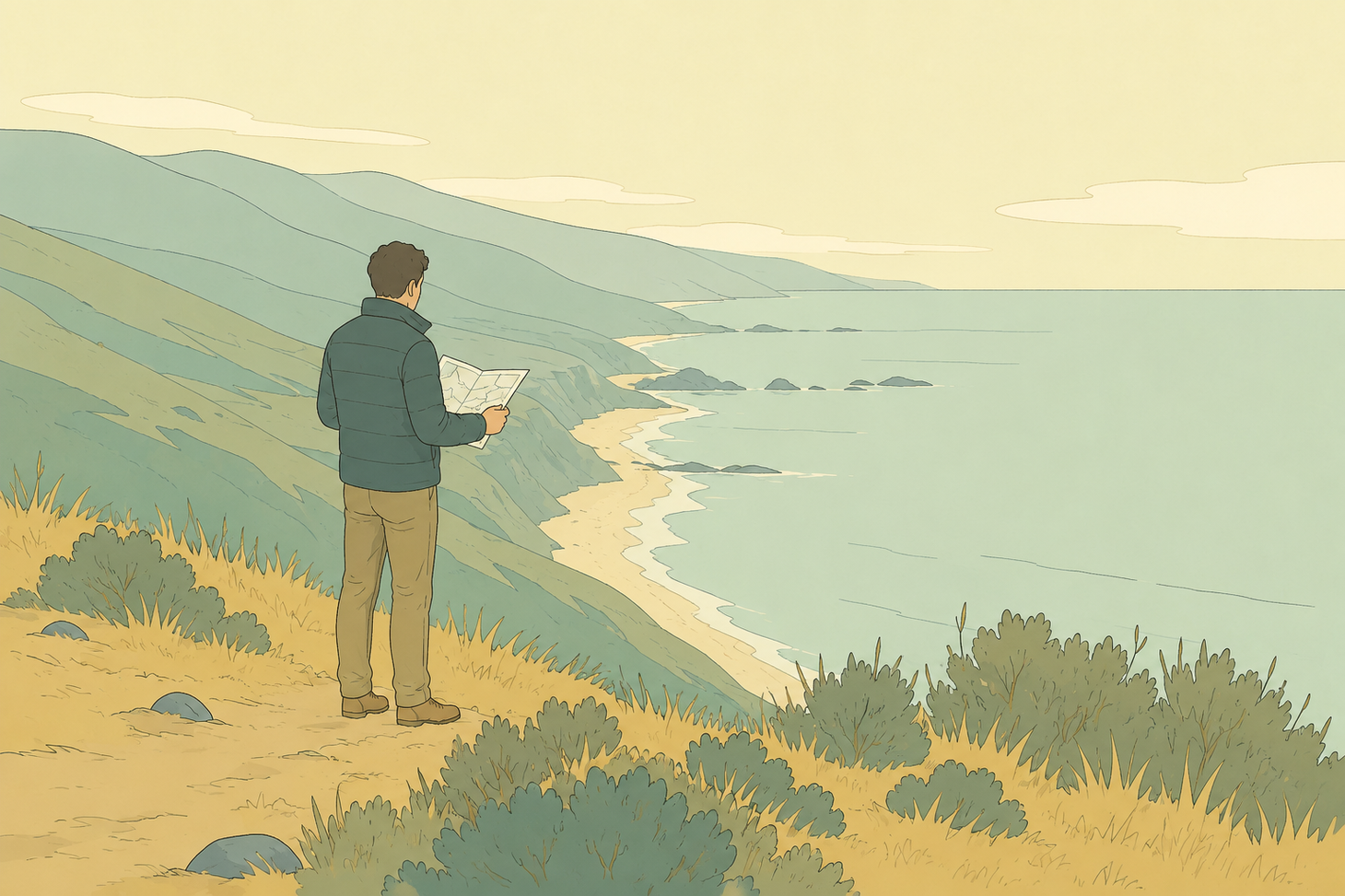
I don’t have a neat answer. I am right here in the questions.
I am learning that I can love people without abandoning myself. I can care for others without making their well-being my sole responsibility. I can make a decision that causes pain without believing the pain proves the decision was wrong.
And I can grieve what I have lost while still trusting what I know.
If you are wrestling with your own version of these questions, you are not alone.
If you are exhausted, burned out, or living inside a role or partnership where you feel you must make yourself smaller—or endlessly ignore your needs to support everyone else—you are worthy of asking what you really need.
You are worthy of wondering what might be possible on the other side.
I am wondering alongside you.
-Matt
I appreciate that you are here. If you’d like to get these posts in your inbox, you can subscribe here.
Looking for some support? If now is the time to consider coaching, reach out here.

Sanity Notes Newsletter
Join the newsletter to receive semi-weekly updates in your inbox.